

Google Says “It Depends” on Whether You Need a Website or Not in the Future
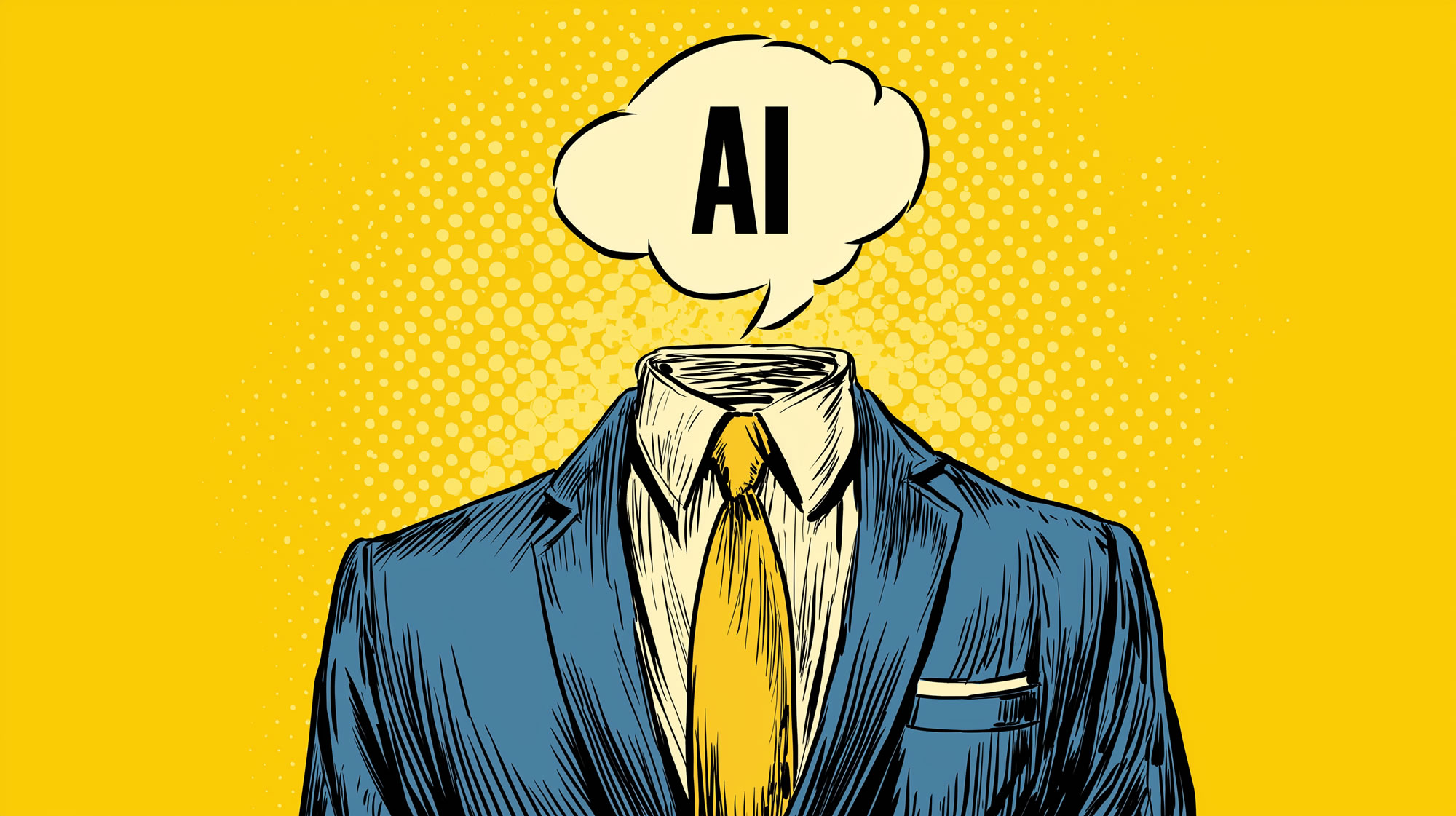
Google’s Search Relations team recently sat down on their Search Off the Record podcast and tackled a question that’s been bubbling under the surface of every digital strategy conversation for years: Do you still need a website in 2026?
Their answer? “It depends.”
And honestly, they’re not wrong. But we think the conversation is missing a massive piece of the puzzle — one that’s going to reshape why businesses need websites and what those websites actually do.
The Google Take: Websites Are Situational
Gary Illyes and Martin Splitt made some fair points. Social-only businesses can thrive. Mobile games have built empires without a meaningful web presence. WhatsApp communities can be more effective than a homepage for reaching your people. Martin Splitt even said he’d take a polished social media presence over a poorly built website any day.
Nobody’s arguing with that logic. A bad website is worse than no website at all. And yes, in 2026, you can run a business from an Instagram profile or a TikTok shop.
But here’s where the conversation gets interesting — and where we think Google’s team stopped short.
The Part Nobody’s Talking About: AI Agents Need Somewhere to Go
We’re entering an era where your next customer might not be a person browsing your site. It might be an AI agent acting on behalf of a person.
Think about it. Right now, AI assistants are already searching the web, summarizing content, comparing services, and making recommendations. Tools like ChatGPT, Claude, Gemini, and Perplexity are pulling information from websites to answer questions in real time. That’s today.
Tomorrow — and we mean the very near tomorrow — those AI systems won’t just be reading your content. They’ll be interacting with your business. Booking appointments. Requesting quotes. Checking inventory. Comparing your services against competitors. Placing orders. Filing support requests.
And here’s the thing: AI agents can’t do that on your Instagram page.
Social platforms are walled gardens. They’re designed for human eyes and human thumbs. An AI agent can’t navigate your Facebook Messenger bot the way it can interact with a well-structured website that exposes its services through clean markup, structured data, and — increasingly — API endpoints or agent-friendly interfaces.
Your Website Becomes Your AI Storefront
The businesses that are going to win in the next three to five years aren’t just thinking about how humans find them. They’re thinking about how AI finds them and, more importantly, how AI does business with them.
Imagine a homeowner who tells their AI assistant: “Find me an HVAC company that can come out this week for a furnace inspection. I want someone licensed, with good reviews, who serves my zip code. Book the best option.”
That AI agent is going to crawl websites. It’s going to look for structured data — service areas, service types, availability, pricing signals, reviews, credentials. It’s going to look for a way to actually schedule that appointment without the homeowner ever opening a browser.
If your business lives entirely on social media, you’re invisible to that agent. If your business has a well-built website with structured content, schema markup, and eventually agent-compatible booking or inquiry systems, you just won the customer without the customer ever knowing your name in advance.
The Web Isn’t Dying — It’s Evolving Into an AI Interface
Google’s team said the web “isn’t dead.” We’d go further: the web is about to become more important, not less. But its role is shifting.
Websites have always been about making information available. That hasn’t changed. What’s changing is who’s consuming that information. The audience for your website is no longer just humans. It’s algorithms, AI agents, voice assistants, and automated systems that are evaluating your business on behalf of humans who may never visit your site directly.
This has huge implications for how websites should be built going forward. Clean semantic HTML matters more. Structured data and schema markup matter more. Page speed and accessibility matter more. Having machine-readable content about your services, your availability, your pricing, and your processes matters more than ever.
The flashy hero animations and parallax scrolling? Less important. The content that clearly communicates what you do, where you do it, and how someone (or something) can engage your services? That’s the new gold standard.
So, Do You Still Need a Website?
Here’s our answer, and it’s more direct than Google’s: If you want your business to be accessible not just to people searching today, but to the AI agents that will be acting on their behalf tomorrow, yes. You need a website.
Not just any website. You need one that’s built with the understanding that its audience is expanding beyond humans. One that treats structured data as a first-class citizen. One that’s ready to serve as a machine-readable interface for your business — not just a digital brochure.
The businesses that figure this out early are going to have a massive advantage as AI-driven discovery and transactions become the norm. The ones that retreat entirely to social platforms are going to find themselves locked out of the most important customer acquisition channel of the next decade.
Google’s team is right that it depends. But increasingly, what it depends on is whether you’re building for the world we’re in right now — or the one we’re heading into.